What you put into your body is equally as important as what you put on your face. Late nights, dehydration, and smoking will not help your skin in the long run.
And that’s actually a wonderful thing. Your skincare routine is not a rigid set of rules, but a flexible program that you can tailor to your needs. Whether it’s a regular facial (we’ve even got some DIY ideas for you) or the moisturizers you choose, your daily choices and your regular diet have a significant impact on your body, skin, and overall health.
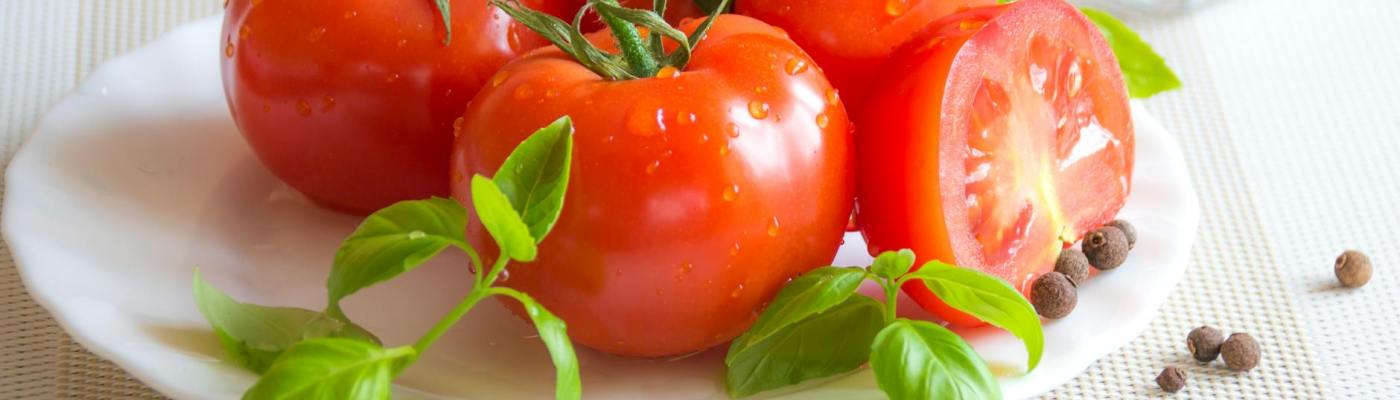
Tomatoes are a bit of a wonder food for your skin, and we will explore the little-known Lycopene that is found in tomatoes.
“While not a substitute for sunscreen, lycopene in tomatoes has been shown to provide some UV protection, reducing sunburn and premature ageing.”
“an excellent choice for those with sensitive or irritated skin” – Clinikally
As already pointed out in the quote, tomatoes are not a substitute for sunscreen, but they do thicken the epidermis—the top layer of the skin, from thining and sunspots. Thus protecting the skin from premature aging and giving it a crepey look. Lycopene is also an antioxidant.
In A Nutshell
It’s important to remember that while lycopene is an antioxidant that protects the skin from developing sunspots and thinning, it’s not a substitute for sun protection. Being informed about this can help you take responsible steps to protect your skin.
Adding Tomatoes In Your Diet
You can use a few cans of good tomatoes a week in winter or fresh tomatoes when available.
Use fresh tomatoes in salads, a salad sandwich or a ham, lettuce, and tomato sandwich.
Add a quality can of tomatoes to soup, like minestrone, cottage pie or a casserole. Tomato soup and a toasted cheese sandwich are always a nice treat, too.
 Get Your Gorgeous On