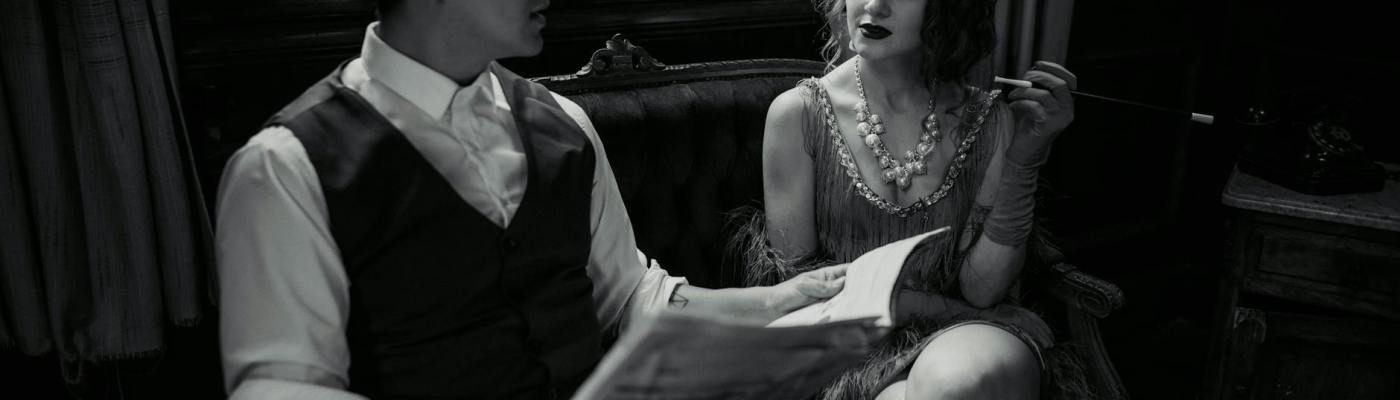
Fashion doesn’t happen in a vacuum, people often look at the end product of a creative process and think, “Wow, they created stuff, and it just happened.” That’s not what happens.
The 1920s were a significant shift in fashion, many events led to that change. I want to explore that a little because it helps us and our toolbox of how to create a final product that you and maybe your client are happy with. So let’s take a look, shall we?
Sport and Exploring
Cricket had been around for some time. It began mostly as an aristocratic outdoor sport; as the middle class and people of means rose in society, it became a popular international test event in the early 1900s. They would travel by boat to get around to events, aviation was in its infancy and a pipe dream at this point in time.
Likewise, Exploration became a thing, going to hard-to-reach places like the Antarctic expedition done by Sir Douglas Mawson (specifically the 1911-1914 expeditions).
Yachting was becoming a popular sport when we think back to the establishment of the America’s Cup and the New York Yacht Club. There is also a website about the restoration of a yacht, if that interests you, the 1885 Partridge.
World War I and Influenza
Edwardian fashion was stiff and formal. Thinking about a top hat would summarise the Edwardian look. The demands of war meant durable clothes were needed. Influenza meant full hospitals, out of desperation, some patients were bundled up in blankets and put on porches outside on something similar to modern sun loungers. Those outside recovered, which the medical staff noticed.
Natural fabrics came in demand due to the need for durability to keep warm outside, think along the lines of wool, beanies, cardigans and so on.
Out of necessity, things changed.
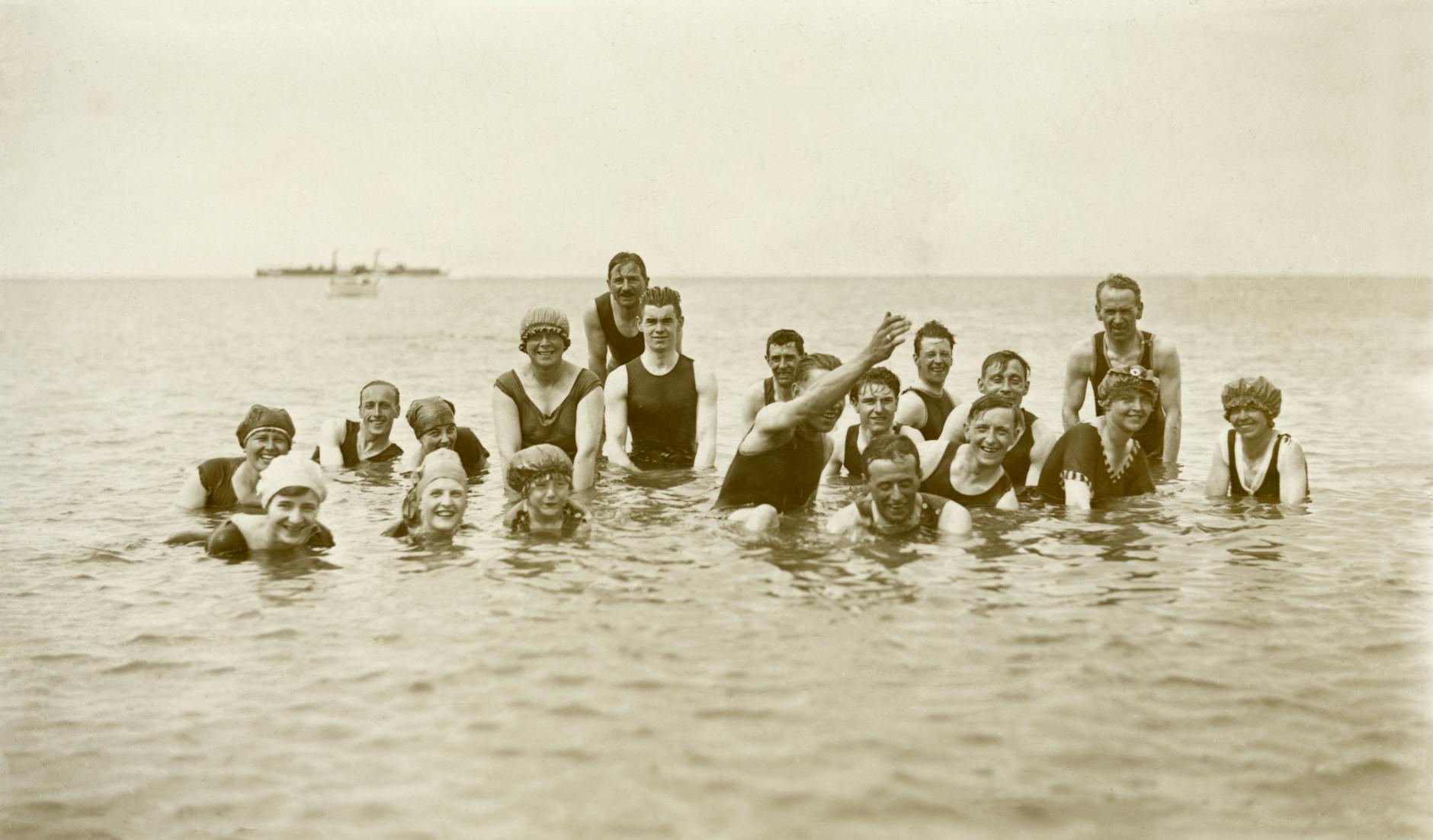
People wanted to spend more time outdoors, which became a shift in lifestyle. The rise of the middle class had begun, and with it so did fashion.
Moving Beyond the Industrial Revolution
As life moved beyond the early stages of the Industrial Revolution, so did fabrics and transportation. The availability of quality fabrics became easier, resulting in a quicker turnaround.
The luxury fabric, Harris Tweed, grew in popularity and is still with us today. In Guy Ritchie’s film Sherlock Holmes (2009), Jude Law wore a three-piece Harris Tweed suit.
Parties became fashionable, as did evening wear, as people loved going out.
Lifestyle and luxury became in demand, and the birth of casual wear, along with sports wear, came out of this period.
We are looking for inspiration and details on how this era of fashion came about. When creating a look, make it your own. You can give it a 21st-century twist, fashion needs to have an element of ownership and fun about it. The one big thing was hats, which remained in fashion for decades.
A few websites for some ideas are:
He Spoke Style does lean more towards the high styled look.
Gentleman’s Gazette takes a good look at the silhouette.
 Get Your Gorgeous On