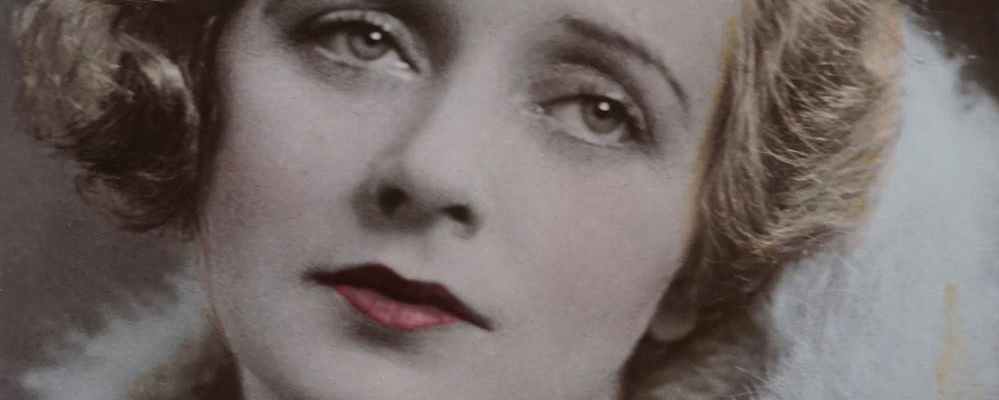
Prior to the 1920s, women’s fashion was constrained. In terms of physical appearance, soft white skin was considered a sign of wealth and prosperity. Those of leisure, who had the means, spent time indoors, fulfilling society’s requirements of them.
Coco Chanel turned all of that upside down. While men were branching out and exploring, enjoying outdoor sports, women’s wealth was seen to be indoors. Chanel, from an unconventional background, stuck her nose up at that. Her influence became that women of means could enjoy yachts, the beach and ultimately the beautiful outdoors. Chanel’s fashion made light tan fashionable, so a woman with a lifestyle of leisure and means would enjoy being out and about.
Chanel was drawn to The Riviera, the international social scene hub spot, and it was all about the “see and be seen” culture. Understanding the need for status amongst the elite and influential, fashion was taken to the beach and the streets. The Riviera was the place of aspiration and social exclusivity, but it wasn’t where it all started, though.
10 years prior to the revolution that hit Paris, thus revolutionising women’s fashion and lifestyle, her first boutique was opened in Deauville; it’s now considered the birthplace of modern sportswear. The shift away from the stiffness of Victorian fashion was not dramatic at first. Instead of a huge billowing skirt that covered everything, including shoes, the Edwardian finished just above the ankles. Although that would seem comical now, it was a big deal then. Emphasising the shoulders and neckline was still a thing, instead of a big collar as a statement came in. The waist was still niched. This was rounded out by a nautical look for the exclusive yachting scene. One had to be stylish.
Here, Chanel gently pushed some boundaries, offering a lighter but fuller skirt that would flow with an outdoor breeze. The skirt could be paired with a sailor-inspired blouse, nautical look, as it would become known, as it would become known. Looking to men’s fashion for inspiration,, the move away from tight-fitting, constricting outfits began to take shape. Men looked comfortable enjoying freedom and sports, so why couldn’t women? The outdoor lifestyle was calling for a quiet revolution in style and lifestyle.
Moving into the 1920s, the silhouette for women changed, going completely in the opposite direction of what had been. Instead of a tight waist and a long skirt, with attention drawn to the bust and shoulder region, it turned to no waist or the drop waist, as it became, with arms on full display as the hem length went up to the knees, as first for women’s fashion.
Diversity also came with this new era. No longer offering daywear or evening wear; sportswear, housewife options for around the home, beachwear, casual wear, and the new smart casual range were introduced.
This revolution for women changed their day-to-day lives. A new recreation was opened, the outdoors, time outside and a new leisure crowd was born.
Chanel also wanted to offer accessories, creating costume jewellery, a move away from expensive gems and metals. Women could feel glamorous without an expensive price tag, and they loved it.
Check out A Quick Overview of the 1920s for the styling breakdown.
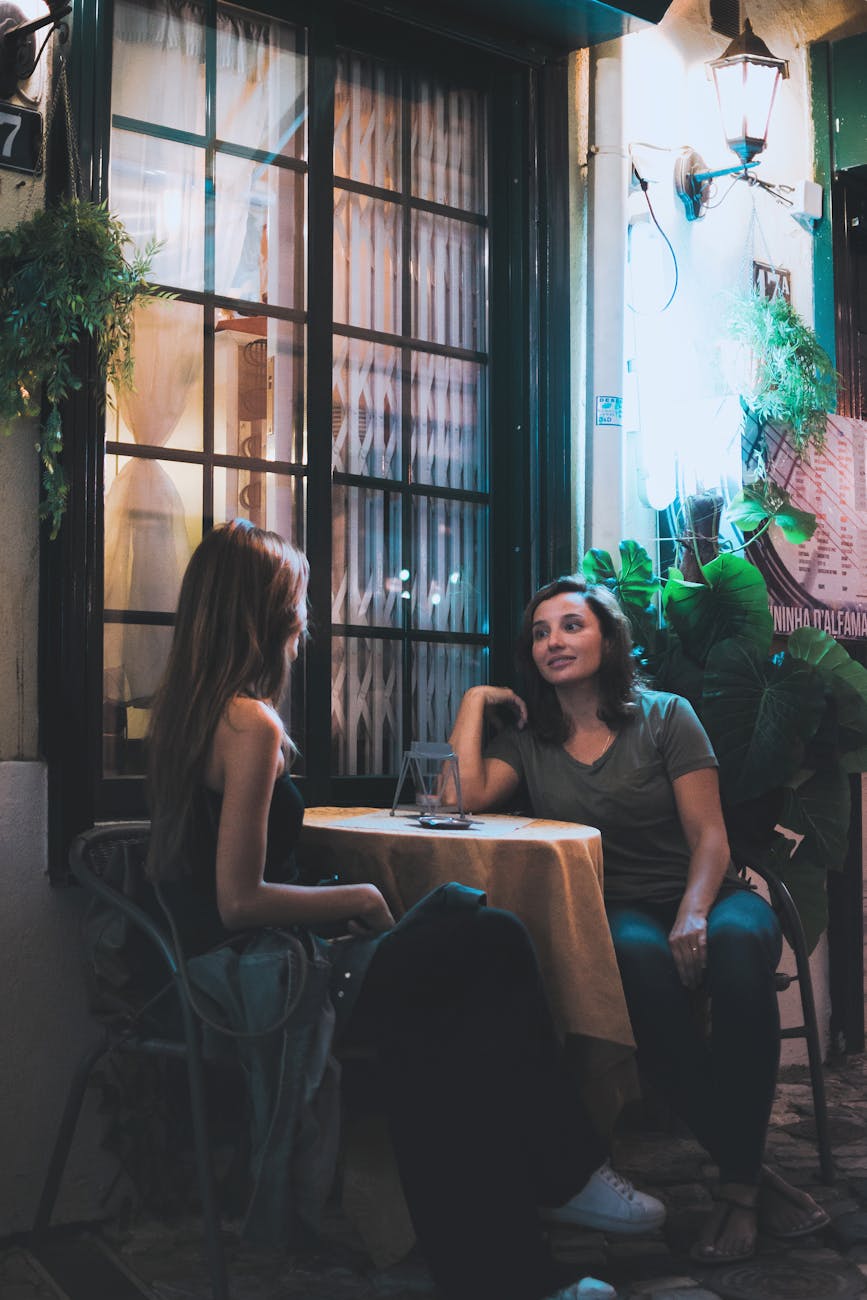
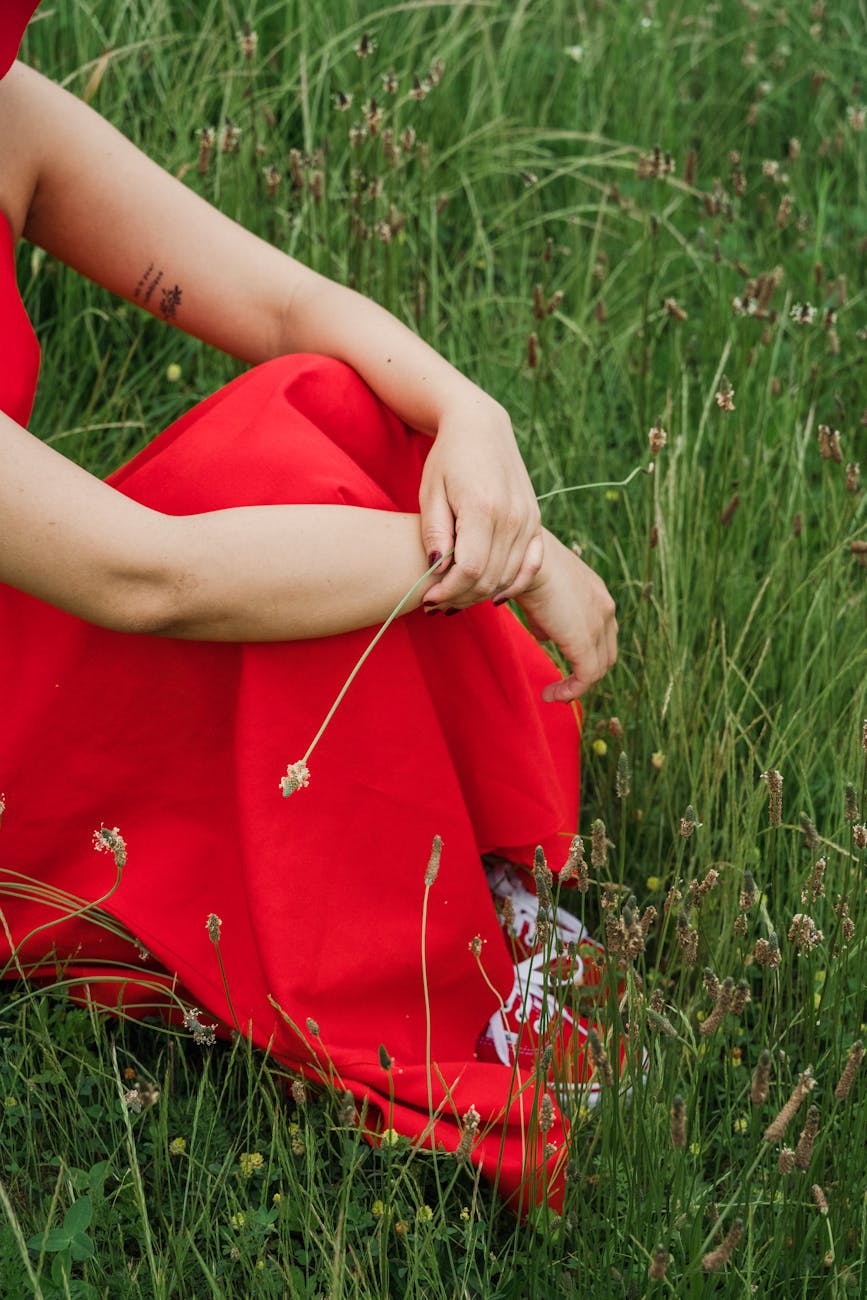
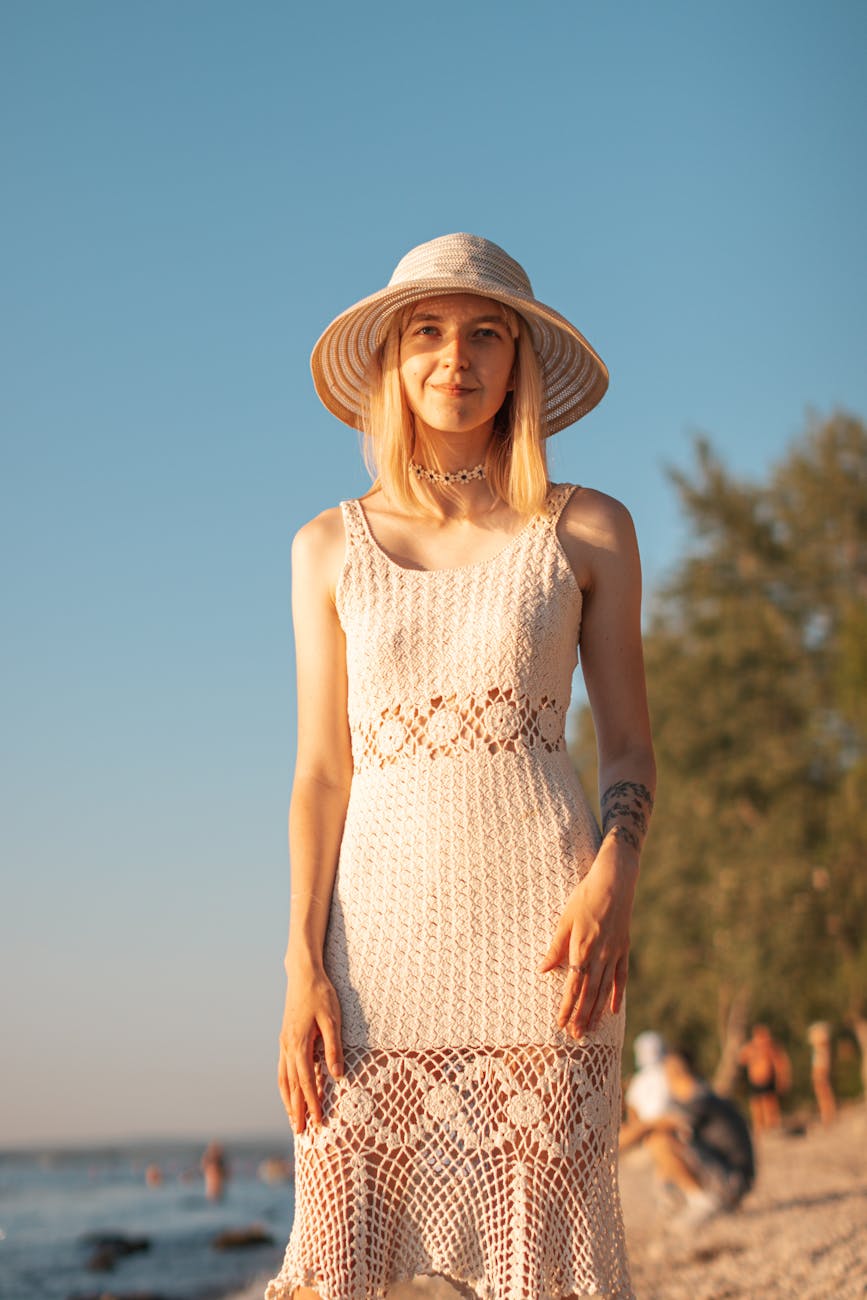
Images below offer a modern take on putting arms on show, a light skin colour accessorised with a hat.
 Get Your Gorgeous On