In this decade, fashion was driven by lifestyle more than by work requirements.
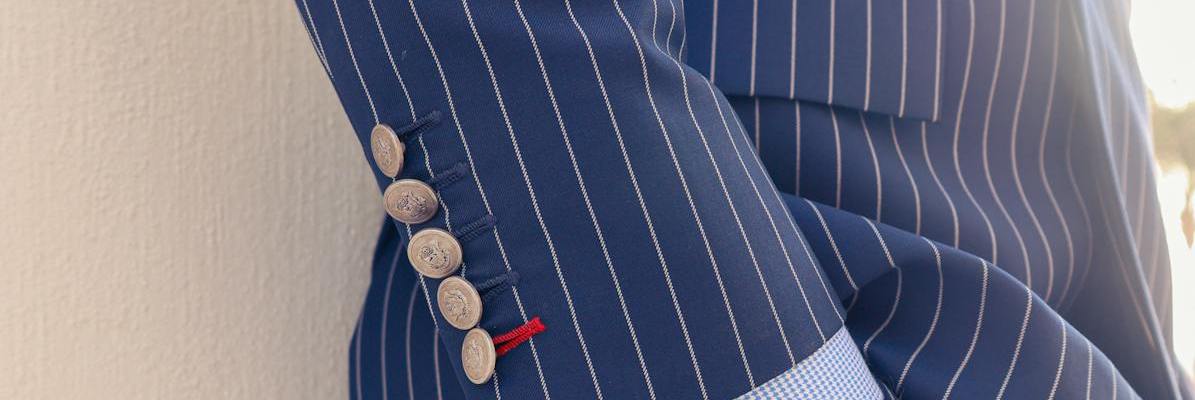
Think golf, going out to an illegal nightclub, going to the cinema, yachting, it all reflects going out and showing off. Fabrics reflected that, Harris Tweed was huge amongst those who could afford it, the Jazz era look and the classic pinstripes of a gangster era.
Seperates
The rise of mix-and-match outfits took off. For men who reflected blazers (sports coats), shirts, trousers, and waistcoats, they could be pulled together if they matched in the same colour family. Even though items might be separate to mix and match, meaning not necessarily from the same suit, they still matched, hence mix and match.
Accessories
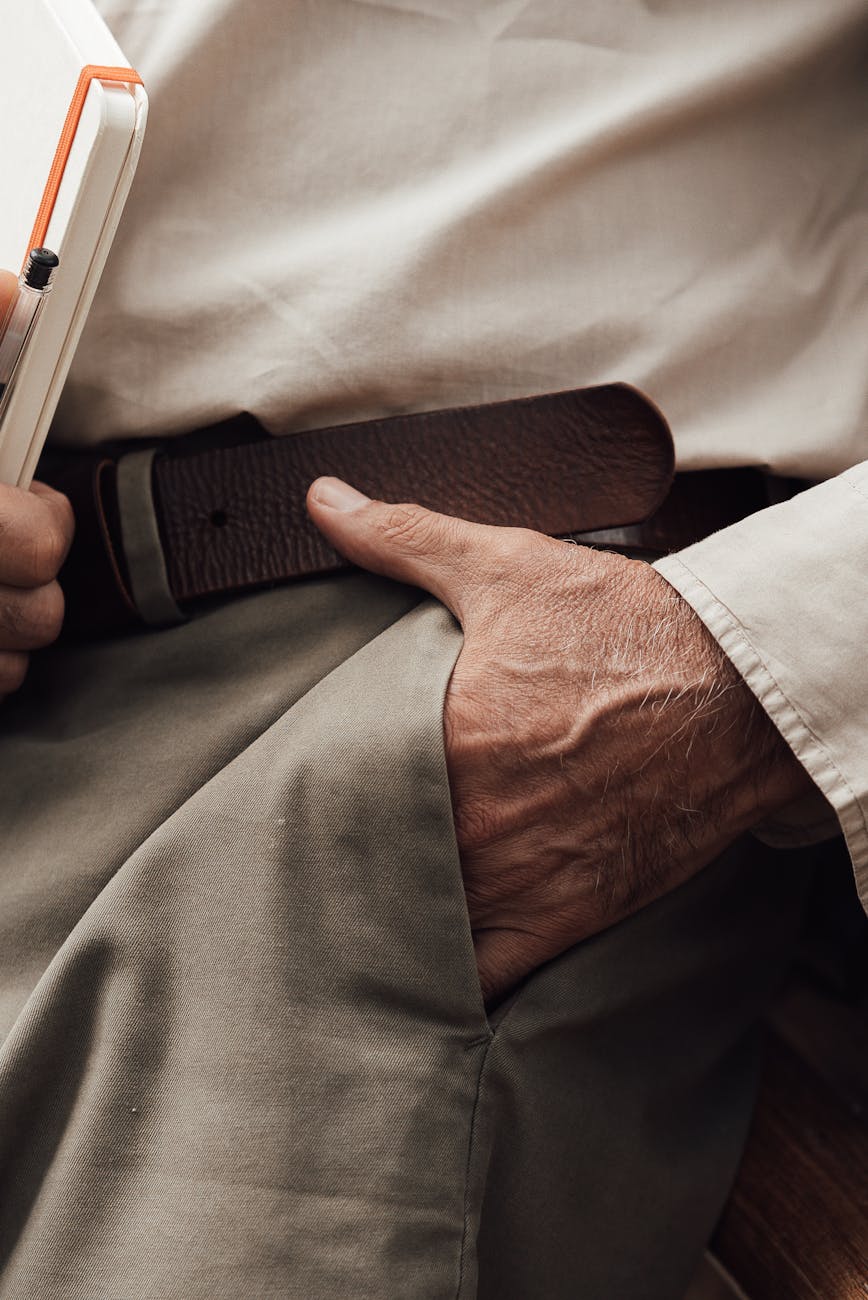
This was where the magic was. Accessories were huge, hats were the rule and an expectation, no matter what your line of work.
Hats matched the shoes, belts, and whatever else a man favoured, all coordinated. Even though the style became a bit more relaxed, the gravy was the accessory. This relaxed look did not translate to evening wear, which was full-blown glamour.
Silhouette
The silhouette was long, elongated, tucked in around the waist (more an easing than a defining, not stiff) for men and women. A high waist came in in the 1940s, some teens reflected this at the end of the decade.
The “IT” Suit
The “IT” suit was made from the newly arrived flannel, it had an elegance to it and fell softly around the body, reflecting the favoured sporty style. The suit was popular for work, as seen in the character played by Kevin Costner.
Jazz & Gangsters
These high-end nightclub goers were all glam. Pinstripes, accessories, wear them all at once and well coordinated. Men who had the money did indeed have an accessory collection, including hats and shoes, well stored in a man’s wardrobe, which was popular then and a tall boy. Being organised and well turned out was highly prized.
Key Takeaways
Men did wear pyjamas, corduroy became a popular fabric for sportswear, and we know casual daywear was now 2 decades in.
Men were very in tune with how they looked and would wear a heavy coat for winter and a lighter blazer for summer as outerwear. Knitwear would be part of the wardrobe.
A basic man’s wardrobe would look like the following, they could fit it in a suitcase, but had learned to pull an outfit together as well as matching accessories and hats.
- Pyjamas to sleep in and lounge around to read the morning paper in
- A blazer
- A couple of shirts
- Accessories
- A cardigan or sweater
- Belts, suspenders, shoes to match
- Something glamorous for going out or their equivalent of the “Sunday best” outfit
- A flannel suit if he could afford it
- If he were a Jazz musician, he would perform in a shirt and suit with suave matching hats and shoes.
 Get Your Gorgeous On