What parties were to the 1920s, gangsters were to the 1930s. The middle class grew, and they had a taste for it. Even though the Great Depression brought on a precarious era, when some lost a lot of money or their jobs and had their wages garnished, people still wanted to live the life.
After the dust settled from that initial blowout, people still wanted to “see and be seen.” This is pre-social media: to be seen and noticed, people had to go out.
There was a negative stigma attached to being seen as a social climber back then; if your family didn’t own its own home, that was your lot. President Herbert Hoover had started to promote home ownership as “The Home as an Investment” during the 1920s and continued that push, with a program called the “New Deal” which offered the 30 year mortgage plan, this was meant to work with the pension to secure peoples future, were if they owned a home and had a small pension, they were guaranteed some security in old age. Of course, cars kept selling too.
What does all this mean?
Despite financial struggles, people felt compelled to present themselves respectably and keep up with social standards. This desire shaped their behaviours and spending priorities.
This is the era when “Keeping up with the Joneses” came into play. If people did struggle at times to buy food and pay rent/mortgage bills, they still wanted to look good. The Sunday best outfit became a thing. A man would have his suit and hat, the woman would have her Sunday best dress, hat and gloves. The woman would have her special handbag, shoes, and gloves that matched; accessories were in. They would choose either matching black for everything, brown, navy, or red. Meaning the handbag, shoes, and gloves were navy. This represented good taste. To be uncoordinated was considered dishevelled.
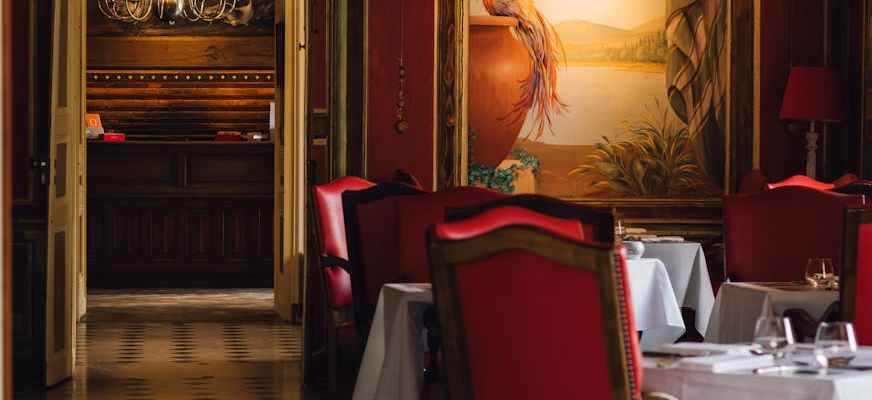
Even though they might struggle, they would go to whatever took their fancy as often as they could. I have researched this for a long time, and the results are astounding. They would pay rent and buy food basics, then go blow their wages on a silver-service restaurant or a wireless radio. The radio outpaced everything in the 1930s, showing a demand for media.
The Gangsters
Crime did take off. Bonnie and Clyde were big news, as was Al Capone. People heard the news on the radio, they read the newspapers and magazines, and they wanted the glamour they saw around them. And they copied it, as best they could.
And if they couldn’t afford it, some did turn to crime.
Which goes back to the “see and be seen” ethos. The middle class pushed the narrative of being a part of “the in-crowd” Reputation was important. To be seen as middle-class and well-groomed. Prohibition came into full swing, which made underground Jazz nightclubs a thing; people would go to the cinema or the theatre, even the soda shop.
A middle-class woman would want to be well-groomed when running errands. This used to be called dressing up to go to the city, or the Main Street, depending on the town and where she lived.
It really was drink, prohibition and nightclubs that pushed a lot of crime.
Gangsters were seen as glamorous because they could afford a car and the best fashion, and people would follow the trends.
 Get Your Gorgeous On