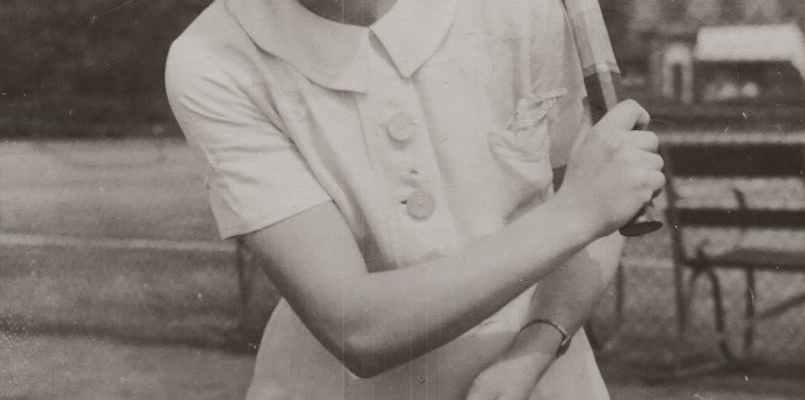
Women’s fashion and men’s fashion did mirror some similarities. There was glamour, sports, mix-and-match separates, and, of course, accessories.
Fashion has been changing for over 20 years now, beginning with the leisure class, then the emergence of a new middle class, and finally, entertainment and going out became the thing to do.
Silhouette
Like men, it was elongated and elegant. Instead of a tight Victorian corset waist, as in times past, the move away from the boyish figure of the 1920s led to a softer, more natural waistline in women’s fashion.
Fabrics
There weren’t many man-made fabrics, like we see today. Man-made fabrics weren’t as good as they are today, so satin remained popular for evening wear. Wool was still popular, whilst those who could afford cashmere or merino were revered for their higher, finer quality.
The Department Store
Highly curated department stores were a thing, including lift girls to take you to your floor of choice when lifts eventually came in. These were a big deal and part of the “be seen” culture pre-social media.
Women who wanted to present a certain image would go there to buy a pair of gloves, a hat, or maybe her “Sunday Best” dress. These stores held a lot of power for the middle class.
They did indeed supply everything from stockings to handbags and, of course, makeup.
The above video shows us the history of one of Australia’s biggest and poshest department stores.
Evening Wear
This would have been a big thing for those attending the theatre, illegal nightclubs, or any other activities that required this. Accessories became key here, as a woman could swap out a cardigan or a wrap for a different piece of costume jewellery, made popular by Coco Chanel. Swapping out hats, coats, and so on was how they could “update” a dress or give it a new look.
Evening Wear
This was the term given to a ladies special part of her wardrobe seperate from other engagements or her day dress. Most women were limited in career choices at this point in time, or they were housewives. The wardrobe reflected this.
Nightwear
Women did wear nightgowns to bed. They were made of satin for the middle class or cotton if a woman was poorer. Most women knew how to sew and knit, they would be savvy if they were proud of their appearance.
Mix and Match Components
They would have an apron or a couple of aprons for household work. A blouse or 2 to coordinate with a skirt and a cardigan if it was cooler, was not uncommon. This was the beginning of separates becoming mainstream. In the 1920s, a shift towards sportswear was gaining momentum.
There are a lot of movie stars from that time period to get inspiration from. My top two picks are Cary Grant, who was hugely popular, and Marlene Dietrich, who had that long elongated silhouette that was so fashionable. Dietrich also had access to some of the best designers too.
 Get Your Gorgeous On